How to Know if a Job Offer Is Right for You Before You Accept It
Published 13 Jul, 2026Last updated 25 Sep, 2026
The offer is sitting in your inbox. The number works. The title is better than what you have now. The company seems like the kind of place people speak well of.
And you still haven’t said yes.
Why is that?
Most people move through the same steps when a job offer lands: write out the pros and cons, check the number against a mental benchmark, ask how it stacks up to their current role. All of that produces useful information, but it’s built to justify a decision you’ve probably already made emotionally. It isn’t built to discover what the role will actually cost you six months in. This is a framework for doing the second thing.
Why the Standard Pro/Con Method Fails
A pro/con list is good at organising preferences you already know you have. It’s much worse at surfacing the ones you haven’t named yet, because it treats every line item as equally weighted unless you consciously decide otherwise.
If someone writes “less autonomy than my current role” on the con side and gives it a 3 out of 10, they tell themselves they can adapt and that the trade is worth it for the growth opportunity sitting on the pro side. Three months later, autonomy turns out to be the thing they built their entire sense of competence around, and the 3/10 they assigned in a spreadsheet compounds into daily frustration that has nothing to do with the salary they were so pleased about.
The list wasn’t wrong. It was incomplete. It recorded a conscious preference, not the full decision hierarchy sitting underneath it, and the two aren’t the same thing.
This tracks with what decision researchers have found more broadly. People who name their non-negotiables before a decision, rather than during it, tend to make more consistent choices and report less regret afterward. Daniel Kahneman’s work on pre-mortems runs on similar logic: if you can identify in advance what would make you regret a choice, you’re evaluating the actual decision rather than the story you’ll tell yourself about it later.
Framing This The Right Way: What Would You Protect?
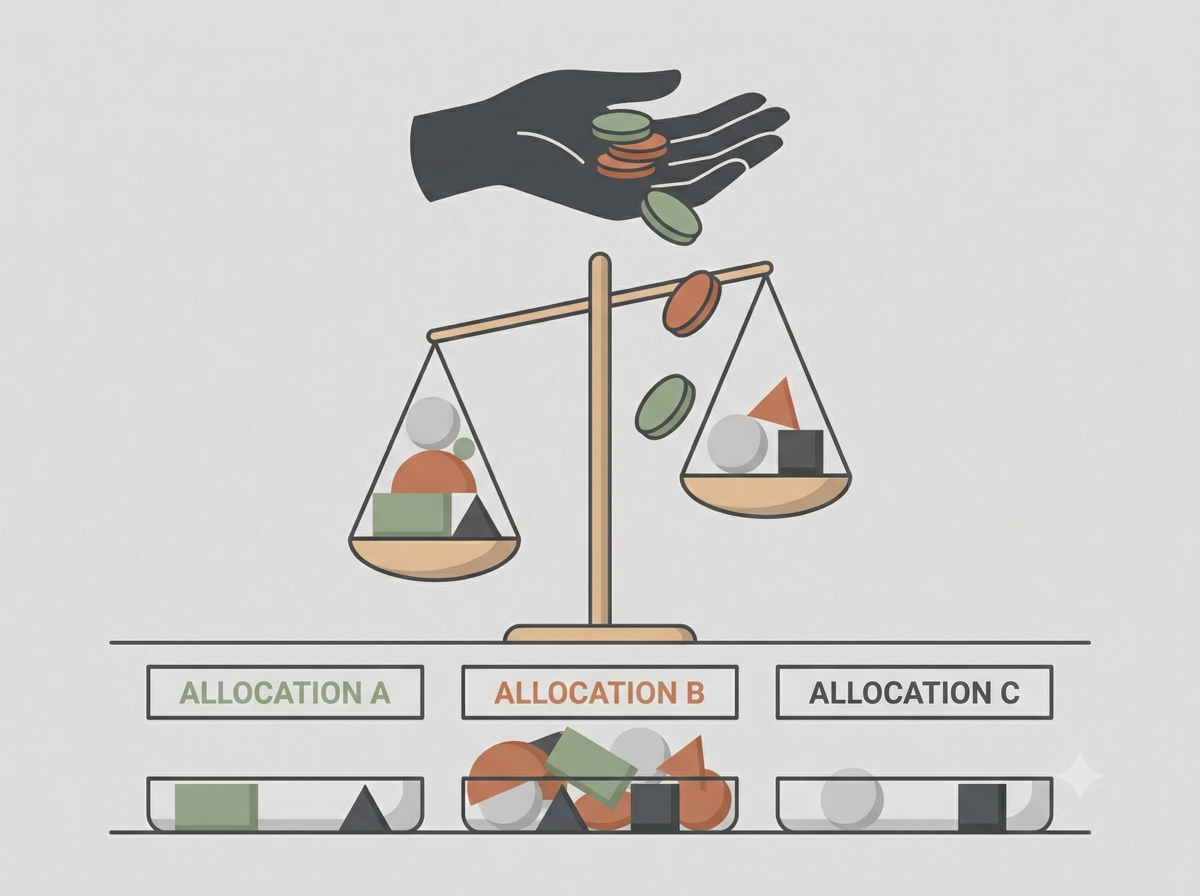
Swap the question. Instead of asking “is this offer good”, ask “what would I give up, and what would I protect?”
Reframing it that way will force you to think deeper. You’re no longer assessing the offer in the abstract - you’re testing that your actual combination of trade-offs is what you’d be happy signing up for, both on a bad day and a good one.
Take a concrete example. A role offers strong growth potential, but the pay sits below market and the autonomy is lower than what you have now. The traditional approach weighs growth against compensation against autonomy, as if they’re three separate scores to average. The trade-off approach asks something sharper: of those three, which would you protect at the expense of the other two? Whichever one you can’t imagine giving up is the dimension actually running your satisfaction.
That’s the one worth interrogating hardest in the offer you’ve been sent, not the one the recruiter spent the most time selling you on.
Practical Questions to Ask Before You Respond
Reflect on these rather than rushing to answer them. None of them resolve in ten minutes, and if one does, you probably haven’t gone deep enough.
- If this role gave you everything you want except one thing, which trade-off would you actually accept?
- Name your specific concern. What would need to be true about it for the decision to feel clear, and is that knowable before you start?
- Compared to where you are now, what is this role going to require you to do less of? Can you live with that day to day, not just in theory?
- Picture yourself six months in. What would you most regret having said yes to?
- Say the non-negotiable you haven’t said out loud yet, even to yourself.
When You Can’t Resolve the Hesitation
Sometimes none of this produces a clean answer. Everything checks out on paper, and something still isn’t sitting right.
That feeling is usually a sign that a non-negotiable is being violated somewhere you haven’t articulated yet. More pros and cons won’t fix it, because the problem was never a lack of information. It was a lack of a named hierarchy. You know more facts about the role than you did a week ago. You still don’t know which of those facts matters most to you, and that’s a different problem entirely.
Worth saying here: almost half of employees report being dissatisfied with their current job, according to a Gartner study cited by the US Chamber of Commerce, and Gallup’s 2024 workplace report found 41% of employees worldwide experience a lot of stress on any given day. Neither number is about this specific offer sitting in your inbox. Both explain why getting the decision right, rather than fast, is worth the extra hour.
This is the exact gap Kanso is built for. It’s a five minute assessment where you rate workplace conditions one at a time. The resulting pattern helps name what matters most to you. It won’t tell you whether to take the job. It will help you see what you’d be trading, which is the part most people skip.
Before You Respond
The offer doesn’t wait while you get this right. If you’re in the decision window now, the most useful thing to do isn’t write a longer pros and cons list. It’s get specific about what you’d protect if the role asked you to give something up, because it will.
Take the five minute assessment. If you’re choosing between two offers rather than deciding on one, the companion piece on how to decide between two job offers walks through that version of the problem.